andrew murray consulting
food process and project engineers
A delegate at a recent Hygienic design course sent an e-mail -
"The recent course was possibly the best course I have ever been on – thank you for this"
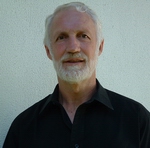
After 40 years of consulting, Andrew Murray
will not be accepting any new projects. He recommends that you contact Johan Smit who
is a competent Food Process Engineer.
Contact Johan on
https://smitfandb.com/
Andrew thanks his clientele for their
support over many years . He will
continue to assist Johan on some specific design topics.
Food engineering or food process engineering is the application of the principles of science to the efficient commercial production of safe wholesome food from defined raw materials. Physics is the scientific basis of food process engineering but thermobacteriology and predictive microbiology are also relevant
Andrew Murray has been running his own consultancy in food process engineering since 1985. Andrew Murray Consulting is active within many of the sectors of the
food processing industry both in South Africa and in other countries.
Because of strong ties (and proven working relationships) with a number of other consultants and research organisations in related fields such as food science and other areas of engineering, multi-disciplinary projects can and have been undertaken by AMC.
Andrew Murray also undertakes energy audits and hygienic design audits based on SANS 14159 and runs short courses in these fields.Feasibility
Process design
Project management
Hygienic design audits
Energy audits
Training
BEE Status
Level 4 Contributer
download certificate
SANS 14159
Specifies hygiene requirements of machines and provides information for the intended use to be provided by the manufacturer. It applies to all types of machines and associated equipment used in applications where hygiene risks to the consumer of the product can occur.